Why Do Old Oil Paintings Turn Yellow? Understanding Aged Varnish
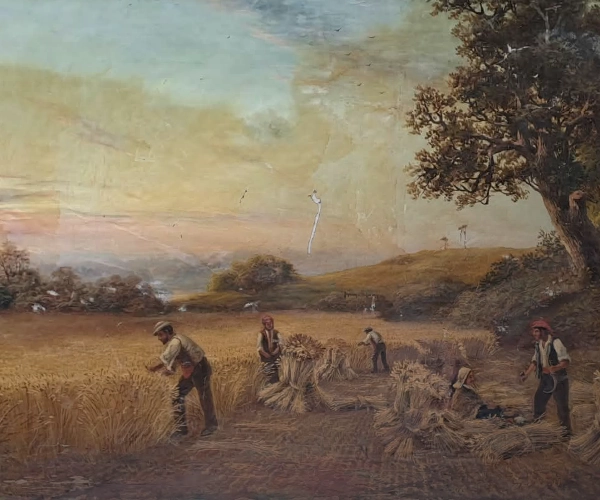
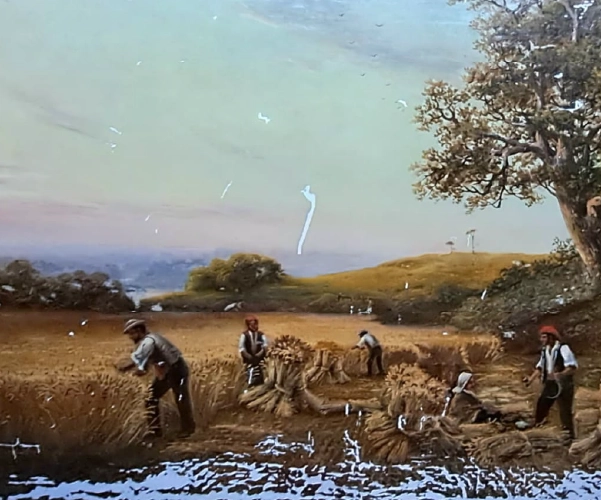
Old oil paintings can develop a noticeably yellow, amber or brown appearance over time. In many cases, this colour change does not necessarily mean that the original paint itself has turned yellow. Aged and yellowed varnish on an oil painting can alter the colours beneath it, making the entire artwork appear darker, warmer and less vibrant than the artist intended.
Professional assessment can help determine whether discolouration comes from an ageing varnish layer, accumulated surface dirt, changes within the paint itself, or a combination of factors.
What Is Varnish on an Oil Painting?
Varnish is a transparent coating traditionally applied over the finished surface of an oil painting.
Depending on the artwork and its history, a varnish layer may help protect the painted surface while also influencing the way colour, contrast and depth are perceived.
However, varnishes do not necessarily remain completely clear forever.
As certain older varnishes age, chemical and environmental changes can cause them to become increasingly yellow or discoloured. What was once a relatively transparent coating can gradually develop a warm amber tone.
Because the varnish sits over the paint, this change can affect the appearance of the entire painting.
Why Does Varnish Turn Yellow?
Age is an important factor, but an oil painting’s environment and treatment history can also influence how its surface changes.
Over many years, a varnish layer may undergo natural ageing and oxidation. Environmental conditions can contribute to deterioration, while dust, grime and other surface deposits can further obscure the original image.
An old painting may therefore have several layers affecting its appearance:
accumulated surface dirt and grime;
an aged or discoloured varnish layer;
previous restoration or retouching;
changes within the original materials;
environmental deterioration.
This is why a painting that looks yellow should not automatically be treated as a simple cleaning job.
The cause first needs to be understood.
What Does Yellowed Varnish Do to an Oil Painting?
A yellowed varnish can significantly change how an artwork is perceived.
Colours Can Appear Warmer
Whites, pale blues and other cool colours can take on a cream, yellow or brown cast when viewed through an aged varnish layer.
Contrast Can Be Reduced
Dark and light areas may become less distinct. Fine details can be harder to see, particularly when discoloured varnish is combined with accumulated surface dirt.
The Painting Can Look Darker
A painting may appear considerably darker than expected even when the original paint remains beneath the altered surface coating.
Details Can Become Obscured
Subtle brushwork, tonal changes and background details may become increasingly difficult to distinguish.
Over many years, these changes can become so gradual that an owner may not realise how significantly the appearance has altered.
Is the Yellow Colour Always Caused by Varnish?
No.
Although aged varnish is a common reason for yellowing or darkening, a professional should assess the painting before deciding on treatment.
Surface dirt can affect its appearance. Previous restoration materials may also have aged differently from the original painting. In some cases, the paint layers or other materials within the artwork may have changed.
A conservator or restoration specialist therefore needs to examine the artwork as a complete structure rather than assuming that every yellow painting simply needs its varnish removed.
This distinction is particularly important with older, valuable or sentimental oil paintings.
Can Yellowed Varnish Be Removed From an Oil Painting?
In suitable cases, aged and yellowed varnish may be carefully reduced or removed as part of professional oil painting restoration.
However, varnish removal is not a one-size-fits-all procedure.
Before treatment, the painting’s condition needs to be assessed. Considerations may include the stability of the paint layer, previous restoration work, the type and condition of the surface coating, and how the artwork responds to controlled treatment.
The objective is not simply to make an old painting look “new”.
Professional restoration should respect the original artwork and its materials while addressing deterioration appropriately.
If you own an older painting that has become noticeably yellow or dark, learn more about Barnard Oil Painting Restoration’s professional oil painting restoration services and arrange an assessment before attempting to clean it yourself.
Why DIY Varnish Removal Can Damage a Painting
A yellowed painting can create the impression that its surface simply needs a good clean.
This can be misleading.
Household cleaning products, water, alcohol and other unsuitable substances can interact with original paint, varnish, previous restoration materials or exposed areas of the artwork.
Aggressive rubbing can also disturb fragile paint.
Perhaps most importantly, an untrained person may not be able to distinguish between surface dirt, varnish and original material. What appears to be a dirty or yellow coating may be closely associated with sensitive paint beneath it.
Once original paint has been removed or damaged, the consequences can be irreversible.
For an original, valuable or sentimental oil painting, professional assessment should come before any attempt at cleaning or varnish removal.
What Happens During Professional Assessment?
The first step is to determine what is actually causing the visible deterioration.
A professional assessment may consider:
the general condition of the painting;
whether the paint is stable;
the presence of cracking or flaking;
surface dirt and grime;
the condition of existing varnish;
evidence of earlier repairs or retouching;
canvas or structural damage;
moisture or mould-related deterioration where present.
This broader examination matters because yellowed varnish may be only one of several conservation issues affecting an older painting.
For example, removing or reducing an aged coating would not address an unstable paint layer or structural canvas damage. Those problems need to be considered as part of the overall restoration approach.
Will Removing Yellowed Varnish Restore the Original Colours?
It can sometimes reveal a significant visual difference, but every painting is different.
When a discoloured surface coating has substantially altered the artwork’s appearance, controlled treatment may allow colours, contrasts and details beneath it to be seen more clearly.
However, restoration is not about artificially increasing saturation or repainting an artwork to make it brighter.
The appropriate result depends on the painting’s original materials, condition and treatment history.
This is another reason professional examination is essential before predicting what a restored painting will look like.
When Should an Old Oil Painting Be Assessed?
Consider professional assessment when you notice:
a strong yellow or amber cast;
significant darkening;
colours that appear unusually dull;
heavy surface grime;
cracking or flaking paint;
loose or damaged canvas;
tears or holes;
evidence of water exposure; or
mould or moisture-related deterioration.
An assessment can help distinguish cosmetic surface changes from problems that may affect the painting’s longer-term stability.
Caring for an Older Oil Painting
Preventative care can help reduce unnecessary deterioration.
Avoid using household cleaners on the painted surface and do not attempt to remove varnish yourself. Paintings should also be protected from inappropriate moisture exposure and unsuitable environmental conditions.
KwaZulu-Natal’s humid conditions make moisture awareness particularly relevant. If an artwork shows signs of mould, water exposure, flaking paint or other deterioration, professional assessment is preferable to experimental cleaning.
An aged or discoloured varnish layer may be responsible, although surface dirt, previous restoration and changes within the artwork can also affect its appearance. A professional assessment can identify the likely cause.
In appropriate cases, aged varnish can be carefully reduced or removed during professional restoration. The suitability and method of treatment depend on the individual painting.
Not necessarily. A discoloured varnish layer can alter the appearance of colours beneath it even when the underlying paint remains present. However, the paint’s condition should still be assessed.
DIY cleaning is not recommended for original, valuable or sentimental oil paintings. Incorrect products or techniques can disturb varnish, original paint or previous restoration materials.
That depends on its condition, significance, sentimental or financial value, and the treatment required. A professional assessment is the best starting point.
Professional Assessment of Yellowed Oil Paintings
A painting that has gradually become yellow, dark or dull may look very different from how it appeared decades ago. In some cases, an aged varnish layer is responsible for much of that visual change.
The important step is identifying why the painting has changed before deciding how it should be treated.
Barnard Oil Painting Restoration specialises in the assessment and restoration of damaged and deteriorated oil paintings, including controlled surface cleaning and the removal or reduction of aged and yellowed varnish where appropriate.
Contact Barnard Oil Painting Restoration today for a professional assessment of your oil painting.