
Yes, a mould-damaged oil painting can be successfully restored with the right professional treatment. In humid coastal regions like Durban, moisture exposure and mould growth are common causes of deterioration. This case study demonstrates how expert water-damaged oil painting restoration Durban services can stabilise, clean, and preserve artworks affected by environmental damage.
If your painting shows signs of mould or water damage, it’s essential to act quickly contact a professional conservator before the condition worsens.
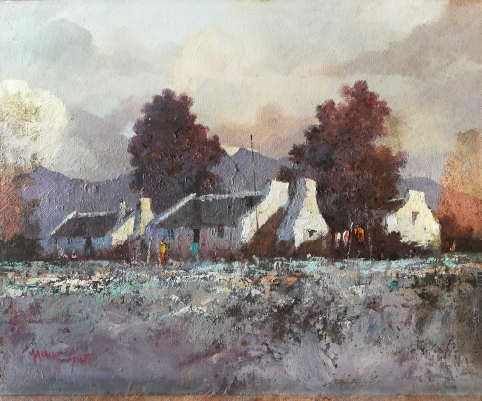
Environmental conditions play a major role in the deterioration of oil paintings. In areas like Durban, high humidity and temperature create ideal conditions for mould growth.
Common causes include:
Mould not only affects appearance but also threatens the structural integrity of the artwork. According to the Institute of Conservation, untreated mould can continue to spread and cause irreversible damage.
The painting arrived with visible signs of moisture exposure. The surface appeared dull and uneven, with staining and disruption across the paint layer.
More concerning was the presence of mould growth in several areas. This indicated an active biological issue that required immediate attention.
A professional assessment—such as those offered on the oil painting restoration services page is essential to determine the safest and most effective treatment plan.
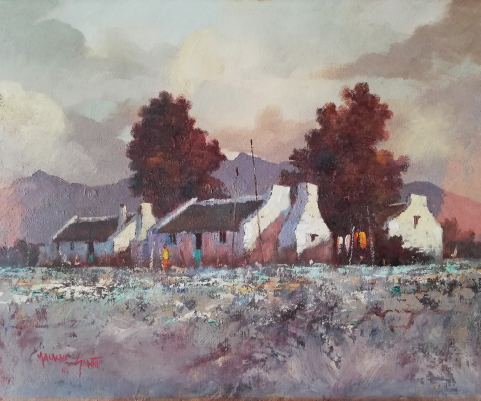
Removing visible mould is only part of the solution. Residual spores can remain active and cause the problem to return if not properly neutralised.
The restoration began with the careful removal of active mould from the surface. This was followed by targeted treatment to eliminate any remaining spores.
This stage is especially important in water-damaged oil painting restoration Durban, where environmental conditions can easily trigger recurrence if not addressed thoroughly.
For further reading on conservation practices, organisations like the International Institute for Conservation provide guidelines on handling biological contamination in artworks.
Once the mould issue was resolved, attention turned to cleaning the painting’s surface.
Water damage had left behind:
A controlled cleaning process was carried out gradually to avoid stressing the compromised paint layer.
As the cleaning progressed, the transformation became evident:
This step highlights the effectiveness of professional oil painting restoration Durban services.
After stabilisation and cleaning, areas affected by damage were carefully retouched.
The goal was not to over-restore, but to achieve visual harmony. Retouching was applied with restraint, ensuring:
This approach follows internationally recognised conservation ethics.
A protective varnish layer was applied to complete the restoration.
This final step:
In humid climates like Durban, this protective layer plays a key role in preventing future deterioration.
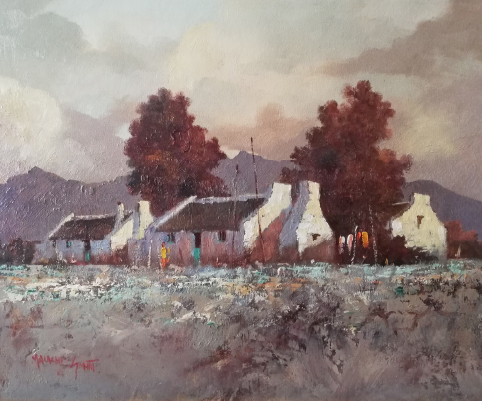
Through careful restoration, the painting was stabilised both structurally and visually.
What was once affected by mould and water damage is now:
This case clearly demonstrates how professional water-damaged oil painting restoration Durban can recover artworks that might otherwise be lost.
Attempting to treat mould or water damage without expertise can worsen the problem and cause permanent damage.
Professional restoration ensures:
If your painting has been exposed to moisture or mould, don’t delay. Book a consultation today and protect your artwork.
Yes, if left untreated, mould can weaken both the paint layer and the canvas or board.
No, improper handling can spread spores and cause further damage. Professional treatment is recommended.
As soon as possible. Early intervention prevents further deterioration.
In many cases, yes—professional cleaning can significantly improve the appearance.