
Restoring a textured oil painting on board requires specialist care, as both the paint layer and underlying structure must be stabilised without disturbing the original surface. In this case, widespread cracking and instability were caused not by age alone, but by the original construction of the artwork. Through professional textured oil painting restoration Durban, the painting was carefully stabilised, cleaned, and visually reintegrated—preserving its character while ensuring long-term durability.
If your artwork shows signs of cracking or instability, it’s best to contact a professional conservator before the damage worsens.
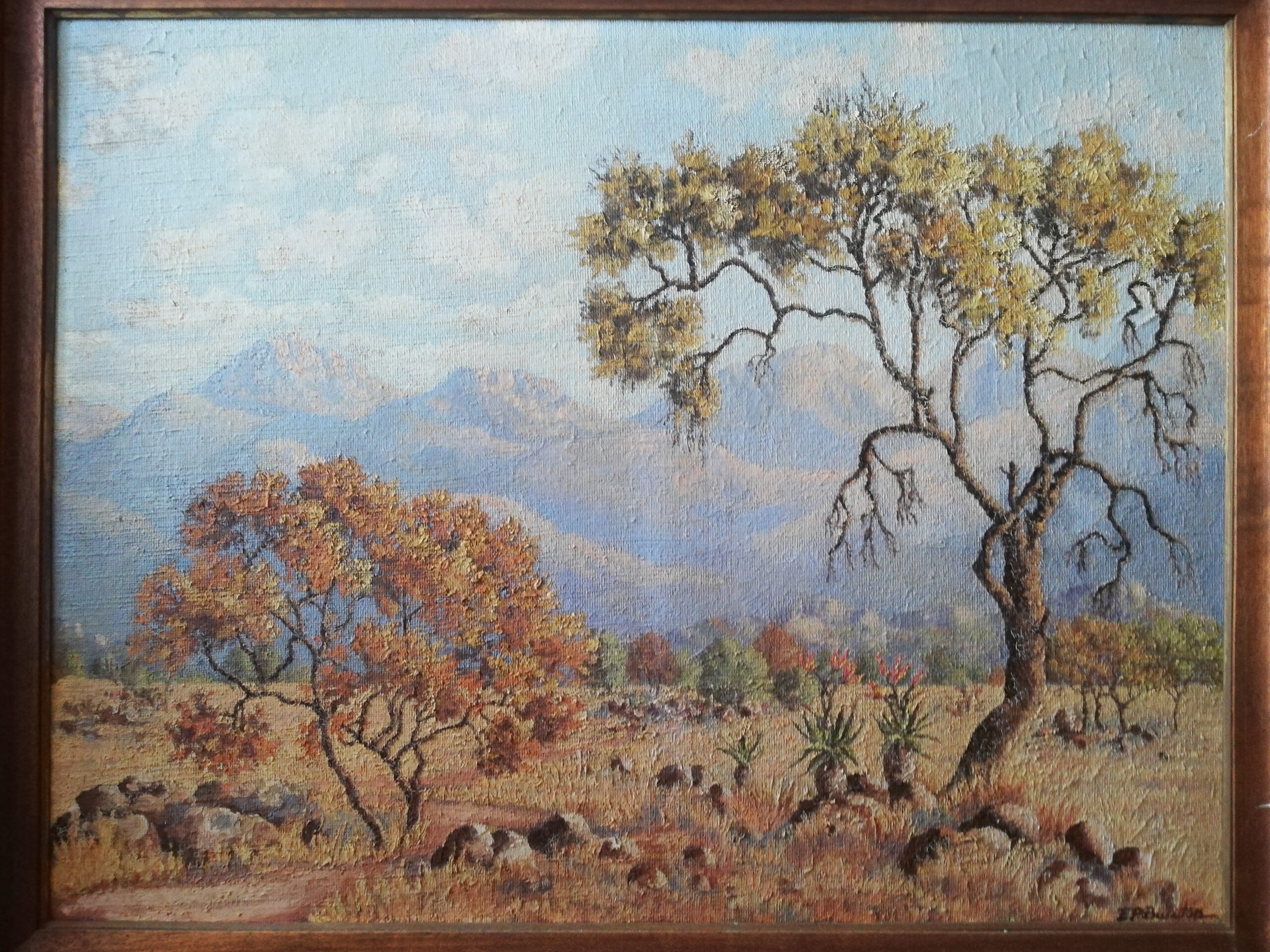
At first glance, the widespread cracking across the painting appeared to be typical ageing. However, a closer inspection revealed a more complex issue.
The textured ground beneath the paint layer had not fully cured before the artwork was completed. Over time, this instability transferred to the surface, causing cracks and localised weaknesses.
This highlights an important aspect of textured oil painting restoration Durban specialists often encounter—damage is not always surface-level and requires deeper structural understanding.
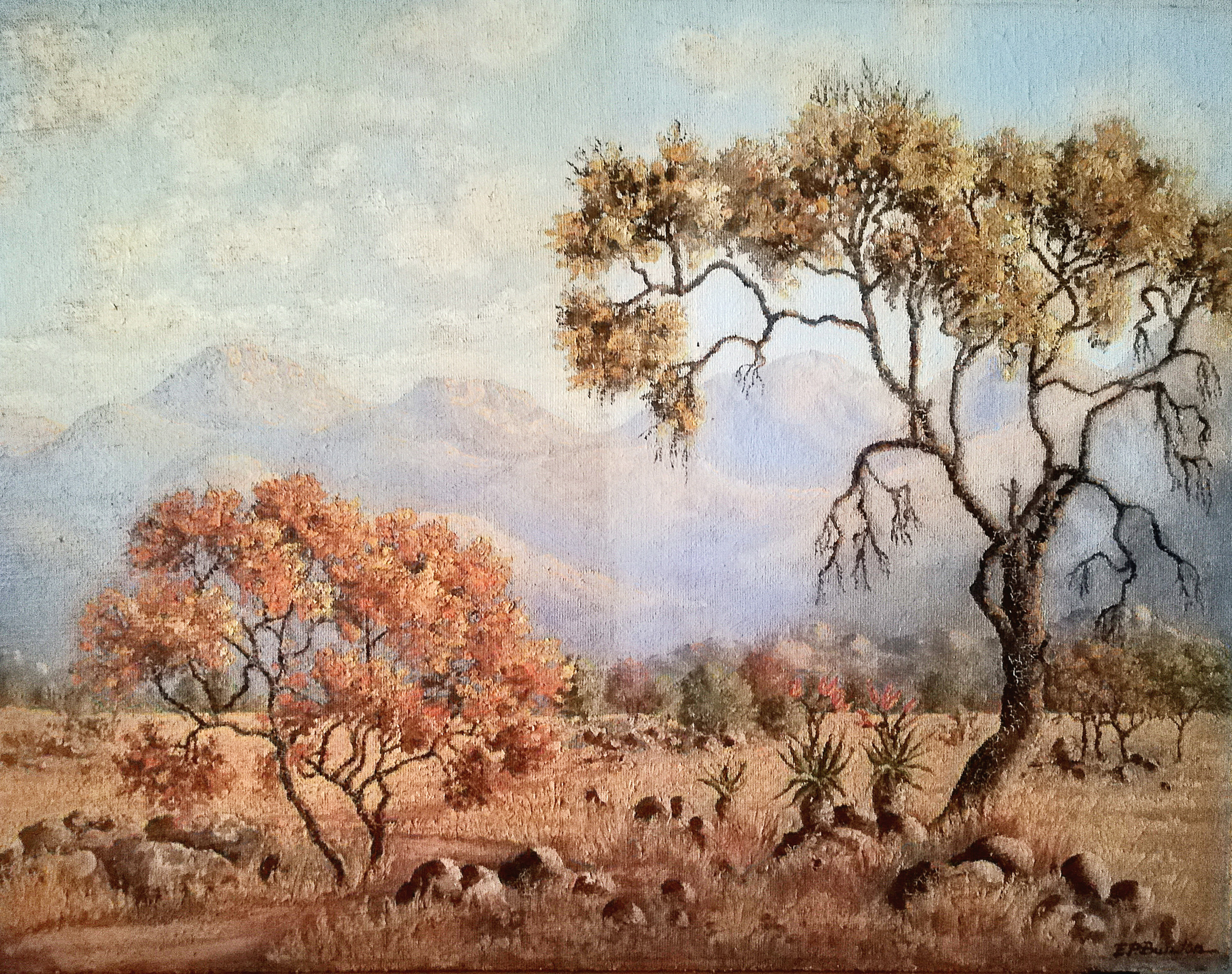
Unlike traditional oil paintings, textured artworks rely on built-up material to create depth and form. This makes restoration more delicate, as excessive intervention can alter the original appearance.
Professional restoration ensures:
Institutions such as the Institute of Conservation emphasise the importance of minimal intervention when dealing with complex surfaces like these.
Before any treatment begins, a detailed surface assessment is essential. The stability of the textured ground and paint layer must be carefully evaluated.
In this case:
This type of expert evaluation is a core part of professional services offered on the oil painting restoration services page, ensuring the correct approach is taken from the start.
Before any visual improvements could be made, unstable areas were consolidated. This step prevents further cracking and ensures the surface can safely undergo restoration.
Where small losses had occurred, these were carefully filled and shaped to match the original texture.
This process requires precision. The goal is not to recreate the artwork, but to ensure any repairs sit naturally within the original composition—an essential principle in textured oil painting restoration Durban.
Over time, the painting had developed a yellowed varnish layer. This dulled the colours and masked the original tonal variation.
Cleaning was carried out in a controlled and gradual manner to avoid disturbing the sensitive textured surface.
As the varnish was reduced:
This step demonstrates how professional oil painting restoration can dramatically enhance an artwork without compromising its integrity.
Once stabilised and cleaned, the next step was visual reintegration.
Retouching was applied with restraint, ensuring:
This careful balance is what defines high-quality textured oil painting restoration Durban services.
Due to the delicate textured surface, a traditional brush-applied varnish was not suitable. Brushing could disturb the restored areas and damage the surface.
Instead, a spray varnish was applied. This method allowed for:
Spray varnishing is often the preferred technique for complex surfaces in professional conservation practices such as those outlined by the International Institute for Conservation.
The restoration successfully stabilised a surface that had become increasingly vulnerable. Cracks were addressed, texture was carefully reintegrated, and the overall appearance improved significantly.
Most importantly, the artwork was preserved in a way that respects both its original construction and its future longevity.
This case highlights how expert textured oil painting restoration Durban can resolve complex structural issues while maintaining artistic integrity.
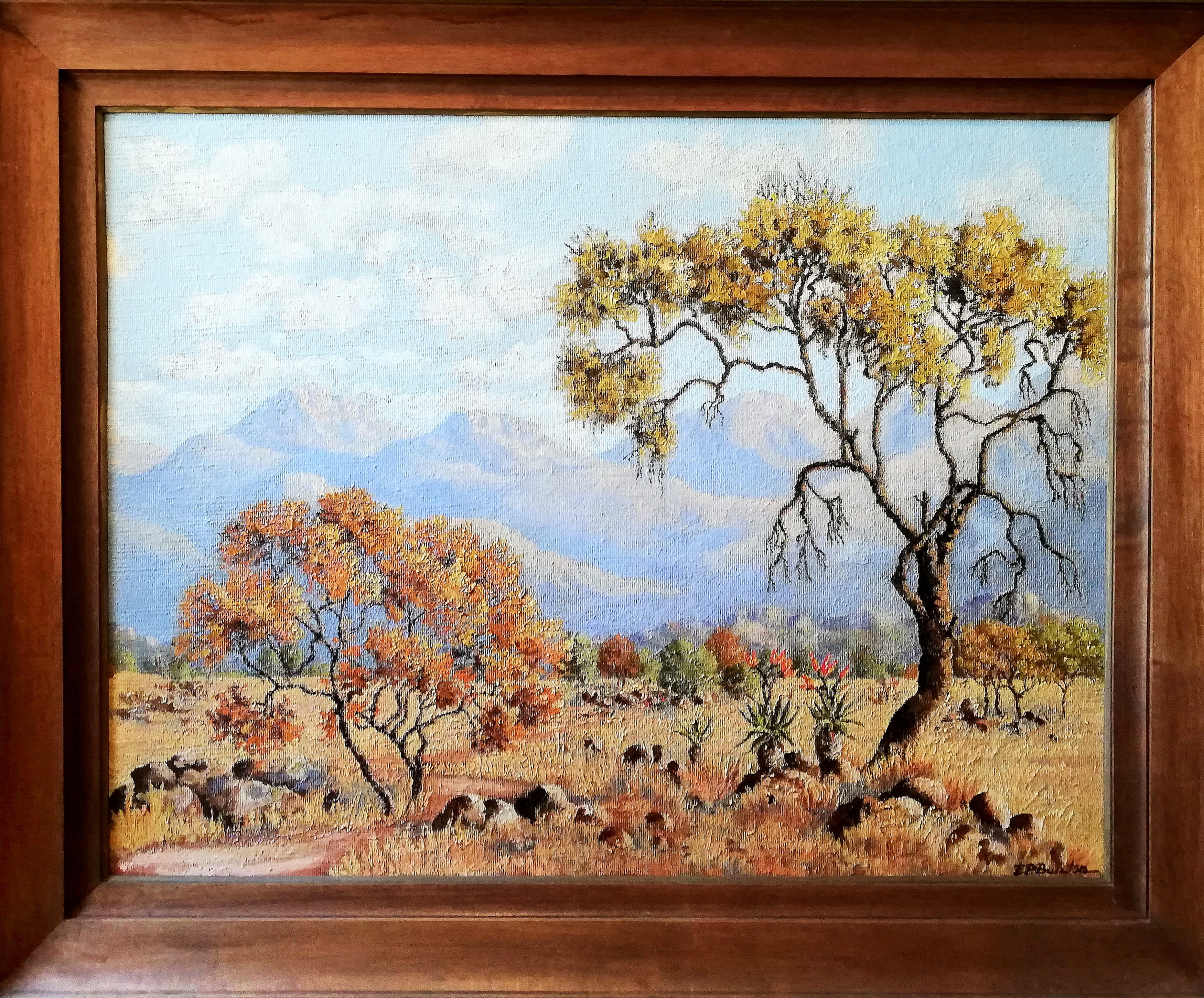
Textured artworks require specialist knowledge. Attempting repairs without experience can result in permanent damage.
With professional restoration, you benefit from:
Have a textured or damaged painting? Book a consultation today and let experts restore it safely.
Yes, with professional conservation techniques, both structural and visual damage can be carefully repaired.
Cracking often occurs due to unstable materials, improper curing, or environmental changes over time.
No, textured surfaces are highly sensitive and should always be handled by professionals.
The timeline depends on the extent of damage, but most projects take several days to a few weeks.